
Introduction
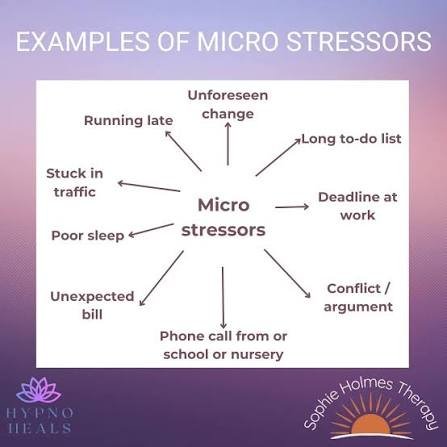
Small, persistent stressors that occur throughout the day without affecting people’s awareness of their impact are called micro-stresses. Examples of micro-stresses include work-related stress, constant notifications, time constraints, commuting, housework, and household chores, as well as little worries.
Each micro-stress by itself is typically inconsequential, but the cumulative effects of multiple micro-stresses over time can create a gradual build-up of stress on both your physical and psychological systems.
Examples of how micro-stresses may impede functioning include decreased concentration, disrupted sleep patterns, lowered mood, decreased energy levels (both physically and mentally), and emotional exhaustion. Because of the gradual nature of the accumulation of micro-stress, many people may not realize their level of micro-stress until they are already feeling overwhelmed or exhausted or drained.
To understand how micro-stresses accumulate to aid in the reduction of stress, promote mental and emotional health, and develop a balanced lifestyle, it is important to learn the cumulative effects of micro-stresses and how they affect you.
When people understand how to identify the small stressors that create micro-stresses and develop action plans to address them, they can reduce the overall impact they have on their lives and increase their health and wellness.
What Is Micro-Stress
Micro-stress is a term used to describe the ways that numerous small irritants and pressures can build up over time to become mentally and physically draining, resulting in feelings of being tired and anxious, as well as having negative health impacts and decreased quality of life.
Although each of these low-intensity stressors may not be perceived as a substantial threat or cause of concern individually, when dead periods of time continue to exist on a daily basis, and when many low-intensity stressors accumulate in a person’s life, they will have an effect similar to that of higher-intensity stressors.
The results of micro-stressors and how the micro-stressors themselves will affect a person’s ability to recover from higher-intensity stressors.
Accumulation of Low-Intensity Stressors: A one-time micro-stressor may not be stressful, but repeated exposures to micro-stressors will become stressors over time.
Non-obtrusive triggers: Micro-stressors are often caused by non-obtrusive events such as minor interruptions, misunderstandings, technology overload, and social comparisons.
Undetectable Effect: Experiencing a micro-stressor will always result in a physiological stress response, even if the person does not perceive the micro-stressor as a significant source of stress.
The physiological effects will include an increased metabolism, increased blood pressure, and disrupted sleep patterns.
Daily Triggers
Daily triggers can be defined as a person’s day-to-day experience of things, people, sounds, smells, or emotions that can elicit a very strong emotional or behavioral response based upon historical references, including, but not limited to, mild annoyances such as traffic and the trauma-triggering experience itself.
Triggers are caused by or associated with something, not just daily stressors. Triggers produce an intense, automatic reaction and pull the individual into fight-or-flight mode. To cope with daily triggers, the individual must have an understanding of themselves, as well as the ability to perform coping strategies, such as mindfulness or journaling.
Common Types of Daily Triggers:
Sensory triggers—specific scents (such as perfume), sounds (such as a certain song), sights, and textures.
Situational triggers—crowded places, public speaking engagements, anniversaries, and times of day (for example, after eating).
Emotional/relationship triggers—learning criticism, feeling rejected or ignored, experiencing betrayal, feeling a loss of control, or getting into conflicts with other people.
Internal triggers—feelings of shame, feelings of failure, and even specific thoughts.
Examples of Daily Triggers:
Workplace triggers—a large number of emails or deadlines; an overly demanding supervisor; job-related tasks (between assignments).
Home/social triggers—conflict with your family, spending time with friends, watching television, and consuming specific drinks.
Technology triggers – the use of certain social media and/or the presence of a frustrating application.
How to Recognize and Manage Triggers:
Self-Awareness—Keep a mood journal or practice mindfulness to track patterns in your mood and to recognize triggers.
Take Time and Breathe—Whenever a strong emotional reaction occurs, take some deep breaths to restore mental clarity and to prevent acting impulsively.
Emotional Drain
We may feel overwhelmed by what should seem like simple tasks (for example, doing laundry), or we may have difficulty enjoying certain activities (for example, playing with kids), and we may be mentally disconnected from who we are and what we are doing.
Emotional drain can gradually build up unnoticed until it reaches such a level that it becomes difficult to cope with the amount of stress we are experiencing. To manage emotional drain, we must learn to identify the patterns of stress we are experiencing, to set emotional boundaries for ourselves so that we can take the time to recover after stressful events occur, and to allow for proper rest and recovery.
A few simple proactive measures to help reduce emotional drain include taking time off from work, journaling, performing deep breathing exercises, or taking time away from technology and digital distractions. By learning how to address emotional drain early, individuals are less likely to experience burnout and can develop greater mental resilience.
Understanding how emotional drain develops enables individuals to create a plan to protect their emotional well-being and respond to the daily stressors they encounter in a healthier manner.
Identifying Patterns
Recognizing the patterns of daily micro-stresses is essential for understanding the long-term accumulation of these micro-stresses.
Micro-stresses generally result from continued repetition of the same daily routine, habit, or occurrence, as these patterns elicit an emotional or psychological response at the same time every day, such as waking up to face emails, being distracted by constant multitasking, or feeling guilty for not completing tasks before going to bed.
Such habits frequently accumulate into conditions where the individual is unaware of their effect on increasing stress. Repeated exposure to the same stimulus promotes a tense atmosphere and inhibits improvement in mood, focus, and energy.
Observing your daily routines and all of your emotional responses associated with stress can assist you in identifying the various patterns of your daily micro-stresses. Recording your day in a journal or tracking the situations that produce micro-stress during the day will help you identify the patterns.
Once the patterns of micro-stresses have been identified, you will be able to create minor adjustments or rearrangements to your daily routines and set limits on how often and when each of those situations occurs.
Stress Release Habits
All the ways we use to relieve stress can help us to help our bodies and minds recover from the small “micro-stresses” we experience during each day before they build to exhaustion.
In a few simple steps, like taking a few deep breaths every so often, opening a window for fresh air, and stretching your muscles, you can quickly calm your nervous system down.
Alternatively, removing some of the digital stimulus that we get from things like notifications or social media can allow our brains to become calmer. Putting your thoughts down on paper, also known as journaling, and expressing gratitude are other ways to alleviate emotional tension and find clarity in your head by clearing away unnecessary thoughts.
Consequently, by consistently performing these habits, you can prevent the buildup of stress, improve your concentration, and improve your sleep and emotional well-being by continuing to be physically active, at least with light exercise.
Conclusion
Accumulated damage from multiple micro stresses combines to erode the body’s ability to cope with stressors like hypertension (high blood pressure) or cognitive impairment (mental impairment), which can occur through major traumas like a heart attack or stroke.
Micro stresses tend to fade away without any noticeable effects and do not elicit enough of a response from our bodies to produce the full fight or flight response that is produced in other extreme cases of stress. Micro stresses are more likely to accumulate over time because they remain dormant until you consciously notice that there has been an increase in your stress.
Being constantly active in your body’s stress response system and being exposed to the stress hormone cortisol is linked to increased levels of anxiety, depression, gastrointestinal distress (digestive issues), sleep disorders, and heart disease later in life.
It is essential to manage micro stress effectively for overall mental well-being. The first step in managing micro stresses is to identify the subtle changes that indicate micro stress; this is typically achieved through establishing an effective routine, creating healthy boundaries, and maintaining good health through consistent and small ways of doing so.
All three of these factors contribute to building resilience and keeping our stress buckets from being filled to the point of complete exhaustion.
If you are in immediate need of emotional support, please call your local suicide and crisis hotline.