
Introduction
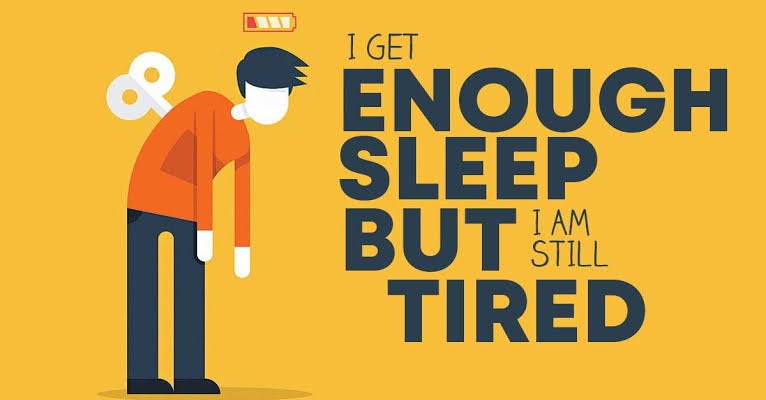
Many people sleep for between seven and eight hours every night; however, many wake up feeling tired and unrefreshed. When it happens, it can be frustrating and confusing because sleeping the proper amount of time should make one feel rested.
In addition to sleeping enough time, people need to have a quality duration of sleep (the amount and depth) for their bodies to be fully rested. By identifying the reasons for this lack of energy after sleeping, the person may be able to take actions to improve their quality of sleep, which will allow them to enjoy more energy during the day.
Some of the factors that can negatively impact one’s ability to sleep deeply and restfully include stress, an irregular and/or poor sleep environment, mental overstimulation, dietary choices, and unknown unhealthy habits that one may have.
If someone can identify the root causes of continual fatigue, that person may be able to implement some minor yet effective changes into their lifestyle that can ultimately enhance the quality of their sleep, giving them more energy during the day.
Sleep Quality vs Quantity
Both the amount of time spent asleep and the level of quality of sleep are essential; however, the “quality” phase of sleep is vital.
Although sleep quantity may appear to be important, it is the quality of sleep that indicates how rested a person is as well. A person who obtains 7-8 hours of sleep may still appear to have little or no energy when they wake up in the morning, and this may be due to the way their body processes through all of the stages of sleep, with an emphasis on the last two stages—deep sleep and REM sleep—which provide not only rebuilding of bodily functions but also mental restoration of the mind. Factors that impact sleep quality include disruptions in sleep (frequent awakenings/tossing & turning), stress, noise, uncomfortable bedding, and screen time (TV, computer, mobile devices) prior to sleep.
Although one may believe that they have received a sufficient total amount of sleep, if they have interrupted sleep, then it would be likely that they would feel the effects of sleep deprivation throughout the day with regard to fatigue, low energy, poor concentration, and mood changes. On the other hand, even though less time has passed from falling asleep to waking up, if the sleep was uninterrupted and restful, then the person will feel more refreshed than if they had a longer period of sleep that was broken.
Improving the quality of sleep can be accomplished through establishing a consistent routine for sleep, creating a calming, dark & quiet environment for sleep, reducing screen time (TV, computer, mobile devices) before sleep, and managing your stress level.
By knowing the difference between quality vs. quantity of sleep, people will be able to focus on improving their sleep habits rather than just counting how many hours they’ve slept, and this will greatly improve their energy level(s) and overall well-being.
Hidden Sleep Disruptors
Every day, people engage in activities and are in environments that disrupt their ability to get restful sleep; this occurs in such an unobtrusive manner that people do not realize how their actions and surroundings are affecting their ability to sleep. The blue light emitted from phones and televisions blocks the production of the hormone melatonin, thereby preventing deep sleep from occurring and delaying it further into the night.
The consumption of caffeine later in the day will most likely be present in the body for many hours and does reduce the quality of an individual’s sleep.
During the night, external factors such as noise levels, artificial light, bedding materials, and both excessively hot and cold room temperatures will cause people to awaken frequently enough that restorative sleep will be delayed. Eating heavy meals, drinking alcohol, and smoking tobacco just before going to bed alters the course of the body’s pre-set sleep cycles. Sleeping at irregular times, no matter how small the difference in waking time (e.g., one or two hours), confuses the body’s natural circadian rhythm (its internal timekeeper) and results in less than optimal restorative sleep.
It is important for each individual to identify any of the aforementioned sources of disruption to sleep patterns and to take corrective measures to eliminate those disruptions from their daily routine. By making minor alterations to routine habits and sleeping environments, individuals may achieve deeper sleeping cycles and quicker recovery times, as well as more energy throughout the day.
Mental Overload
Every day, people engage in activities and are in environments that disrupt their ability to get restful sleep; this occurs in such an unobtrusive manner that people do not realize how their actions and surroundings are affecting their ability to sleep. A major cause of the inconsistency of people’s rest each night is their use of screens late at night.
The blue light emitted from phones and televisions blocks the production of the hormone melatonin, thereby preventing deep sleep from occurring and delaying it further into the night. Stress and overthinking can also create overstimulation in the central nervous system and keep the mind engaged, resulting in fragmented or light sleep patterns during the night. The consumption of caffeine later in the day will most likely be present in the body for many hours and does reduce the quality of an individual’s sleep.
During the night, external factors such as noise levels, artificial light, bedding materials, and both excessively hot and cold room temperatures will cause people to awaken frequently enough that restorative sleep will be delayed.
Eating heavy meals, drinking alcohol, and smoking tobacco just before going to bed alters the course of the body’s pre-set sleep cycles. Sleeping at irregular times, no matter how small the difference in waking time (e.g., one or two hours), confuses the body’s natural circadian rhythm (its internal timekeeper) and results in less than optimal restorative sleep.
It is important for each individual to identify any of the aforementioned sources of disruption to sleep patterns and to take corrective measures to eliminate those disruptions from their daily routine.
Nutrition Gaps
Nutrition gaps represent a lack of essential vitamins, minerals, and macronutrients that can develop due to the absence in people’s diets of many different types of rich nutrient sources. This can lead to ‘hidden hunger,’ which results in the development of health issues such as a decrease in immunity, developmental disability, and an increase in chronic disease risk, particularly among the most at-risk populations, such as women, children, and the poor.
Nutrition gaps occur most often as a result of inaccessible or unaffordable foods and an inefficient food system, as well as due to the fact that certain health objectives are being met. Nutrition gaps can be identified using standard assessment tools like CONGA or WFP’s FNG, which can be used to provide guidance for appropriate nutrition interventions, either through supplementing individuals or by working to improve food systems and the associated accessibility of nutritious foods for promoting optimal health.
Reasons for Nutrition Gaps
- Food Affordability—Healthy foods are often too costly for individuals with limited incomes.
- Food Systems—The predominance of highly processed foods and very little access to whole foods.
- Vulnerability—Women, children, and low-income households have a greater chance of developing gaps in nutritional need and should therefore be a major focus of nutritional educational outreach.
- Life Stages—Increased nutrition needs when pregnant, sick, or aged, combined with a decreased desire to eat or inability to eat.
- Lack of Information—Many individuals do not understand the difference between just consuming calories and eating optimal nutrients to achieve a healthy lifestyle.
Recovery Tips
Recovery is based on three main areas (rest, nourishment, and hydration) and includes a combination of low-impact movements such as stretching, which aid in the body’s healing processes from exercise/illness. The main points of recovery include:
Sleep: Your goal is between 7 and 9 hours. Make sure your bedroom is a good sleeping environment and avoid caffeinated drinks in the evenings
Hydrate: Drink plenty of water throughout the day. Many experts recommend drinking at least 64oz of water daily, but this amount may vary according to each person’s individual needs based on the level of physical activity each person engages in.
Nutrition: Eating a balanced diet is essential for proper physical recovery. You should focus on nutrient-dense foods, particularly protein, to help repair muscles.
Gentle movements: Think about implementing a simple stretching routine or light walking after you have completed a workout. Avoiding strenuous activities is important. You could also consider using a foam roller to help keep any tight muscles from developing further.
Cool down: Make sure to incorporate a proper cool-down after exercising.
Listen to your body. If your body tells you to take it easy, then listen; you should not push through the pain or fatigue.
For emotional/mental recovery, consider the following:
Share your feelings: Talk to someone about what you’re feeling. Write down what you’re feeling and/or take part in calming activities (e.g., listening to music).
Identify and plan for any potential sources of grief: For instance, holidays may be a difficult time for certain individuals and may trigger negative thoughts.
Create a support system: Create a “first-aid kit” that includes items that encourage you, as well as goals or numbers to call on for help.
Conclusion
Feeling fatigued even after spending sufficient time sleeping typically means that either the sleep quality was poor, one’s lifestyle habits are poor, or the individual has a medical condition that’s affecting them. The length of time asleep (7–9 hours) is only one aspect of sleep; however, the quality of sleep and how restorative a night’s sleep is to your body also play a huge part in feeling revitalised.
Below are some key reasons that could be causing this tiredness:
- Microwakes while sleeping: When you have frequent microwakes due to environmental noise/light or discomfort perhaps associated with another person, this can interfere with your cycles of deep sleep, which is required for real restful sleep.
- Sleep disorders: Many types of sleep-related illnesses, such as sleep apnoea (i.e., pauses in breathing), insomnia and Restless Legs Syndrome (RLS), cause severe fragmentation of sleep leading to excessive daytime sleepiness.
- Lifestyle Habits: Frequent irregular sleep schedules, excessive caffeine and/or alcohol consumption too close to bedtime, not enough regular physical activity, and poor eating habits all contribute to daytime fatigue.
- Medical Issues: Many physical and psychological illnesses such as Anaemia, Hypothyroidism, Diabetes, Anxiety, and Depression cause persistent or excessive daytime fatigue.