Introduction
Through psychoneuroimmunology, we can observe how emotional wellness impacts physical immunity. The interaction between the immune system, nervous system, and endocrine system is a source for current research into the effect of emotions on the immune system.
Stress and emotions can cause the body to produce hormones that act as depressants to the immune system. Chronic stress can also cause depression which results in decreased immune function.
Negative Effects Caused by Immune Response Changes:
Hormonal Release: The immune response mechanism is triggered by both physical and emotional stressors.
Adrenaline and cortisol are released when a person is exposed to stress and the body’s initial reaction to stress is to boost the immune system.
However, when the body is continually exposed to elevated levels of adrenaline or cortisol, the immune system will be suppressed.
Body Systemic Inflammation: The chronic emotional stress that is experienced by someone with either anxiety or depression contributes to systemic inflammation in the body. In a wide variety of disorders, both cardiovascular and diabetes, researchers have frequently found elevated levels of pro-inflammatory cytokines to be present.
These elevated levels of pro-inflammatory cytokines are the result of the immune system’s overproduction of these proteins when a person suffers from chronic emotional distress.
Effectiveness of Immune Cells: The emotional health of a person affects how well their immune system’s T cells function and heal wounds. Negative thought patterns, as well as social isolation, contribute to a person’s diminished capability of proliferating T-cells and healing injured areas.
Mind–Body Connection
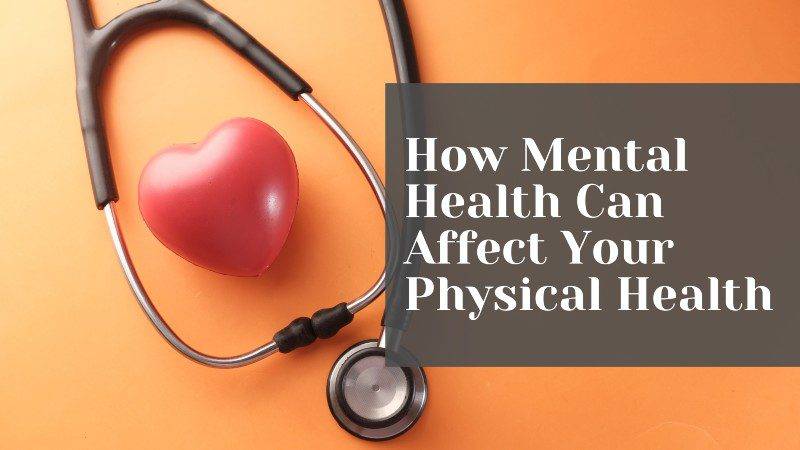
Your physical health is directly influenced by your thoughts, emotions, beliefs, and actions.
Likewise, your mental health is influenced by your physical health. Thus, there is a reciprocal relationship between the two, where stress can cause headaches/high blood pressure, and sleeping/exercising can improve your mood; this is an established scientific fact.
Therefore, treating the person, both mentally and physically, is important in maintaining optimal health; treatments based on mindfulness are effective in establishing this relationship.
How Does This Work
Stress or Negative Thoughts Cause
A “fight-or-flight” response when you think stressfully (worry), this response creates a chemical reaction in your body (cortisol and other stress hormones) that leads to an increase in heart rate, muscle tension, and gastrointestinal issues.
Conversely, thinking positively can increase the production of “feel-good” neurotransmitters.
Somatic Influence on the Mind
A variety of physical ailments can exacerbate mental conditions, such as chronic pain (exacerbated by stress), or poor nutrition. Conversely, increasing activity/fitness, sleeping adequately, and eating properly contribute to increasing clarity of thought and mood.
Stress: A deadline can cause stomach pain.
Anxiety: An anxious person can feel sick due to their increased heart rate.
Exercise: Working out can improve mood and increase clarity of thought.
Sleep: A good night’s sleep can lead to increased clarity of thought the next day.
Stress Hormones
The three types of adrenal hormones, including epinephrine (adrenaline), norepinephrine, and cortisol, known as the stress response hormones, trigger the “fight-or-flight” response in the body when there is a perceived threat. The stress response is a response to a threat and mobilizes resources for survival.
One of the main functions of the three types of adrenaline and cortisol are Energy to increase energy for short-term survival in response to an immediate challenge and increases energy levels, heart rate, and improves physical senses and awareness; however, when present for long periods due to chronic stress, excessive levels of these hormones will result in the deterioration of Body’s Function and Health.
The Stress Hormones and Their Functions
Cortisol (The Main Stress Hormone): Cortisol is a glucocorticoid and is responsible for providing the body with additional glucose for immediate energy, temporary suppression of the immune response, and is part of the process that regulates metabolism.
Epininephren (Adrenaline): Epinphren is a catecholamine that provides the body with a quick increase in Heart / Circulation and Muscular Energy, to immediately respond to a threat.
Noradrenaline (Norepinephren): Norepinephren is also a catecholamine that works with the adrenaline hormone to rapidly raise blood pressure by constricting blood vessels in the body when there is a threat to life or health.
Vasopressin (ADH) and Growth Hormone (GH): these hormones have also been shown to have an effect on how we respond to stress.
Sympathetic-Adrenal-Medullary Axis (SAM) Response (FAST): The sympathetic-adrenal-medullary system (SAM) releases the adrenaline and norepinephrine hormones for immediate “fight-or-flight” Response.
Hypothalmic-Puitary-Adrenal Axis (HPA) Response (SLOW) – The hypothalamic-pituar-Nysulary axis (HPA) causes the release of cortisol in order to sustain the stress response and obtain the needed energy to manage Long-Term Stress.
Emotional Balance
Individuals with an emotional balance have developed the ability to recognize both positive and negative emotions in their lives (while still not being overwhelmed) so they may maintain a stable inner state, be able to make better decisions, and to develop healthy relationships with others.
It is possible to achieve emotional balance through mindfulness, developing self-awareness, developing healthy coping mechanisms for dealing with difficult emotions, etc… Emotional balance is not about suppressing one’s emotions, but rather about understanding and accepting how to respond wisely to one’s feelings; i.e., like a competent captain of a ship adjusting his sail according to the waves he is experiencing.
To further illustrate the aspect of emotional balance, the following key points come into play:
Not Being Overwhelmed: Being able to experience all emotions without being overwhelmed, and therefore preventing the negative aspects of emotions dictating how you act, and or “crashing” your emotional system.
Self-Awareness: Being able to recognize what you are feeling, and where it is coming from.
Regulating: Learning how to control how you react or respond when you experience an emotion, especially when that emotion is one of stress.
Resilience: Bouncing back from setbacks, maintaining stability.
Positive Coping Habits
overemphasized. Developing and maintaining positive coping strategies is an extremely important part of protecting not only our emotional well-being but also our bodily immunity. Positive coping strategies can assist us with managing stress, reducing negative feelings/emotional experiences, and creating a state of emotional equilibrium that helps to strengthen our body’s ability to resist illnesses.
Several ways in which we can create positive coping strategies include exercising regularly, practicing deep breathing, meditating, engaging in mindfulness activities, etc., which all have been shown to decrease levels of stress hormones and enhance the functionality of the immune system.
By engaging in activities that we enjoy (e.g. hobbies, creative arts), spending time in natural environments, etc., we are able to relieve emotional pressure, find relaxation, maintain social support, and establish connections with family, friends, coworkers, etc.
In addition to these types of support, continuing to develop a positive coping strategy includes getting adequate sleep; ensuring that we consume a healthy diet with adequate amounts of nutrients and vitamins; minimizing exposure to stimuli that induce stress (e.g. continuously checking the news on the internet or watching excessive amounts of television); and establishing positive social relationships.
In addition to these indicators of positive coping strategies, the development of a positive coping strategy will result in greater ability to handle stress as it is experienced, thus preventing stress from accumulating and impairing your immune system.
Ultimately, the consistent development and maintenance of positive coping strategies will result in the increased development of mental resilience and result in an improvement in the mood and creation of a healthy mind–body connection over time.
Therefore, as we develop and maintain positive coping strategies, we have the ability to effectively cope with daily stressors and ultimately maximize our overall health by effectively managing stress, maintaining a healthy emotional balance, and supporting our body’s immune system, thereby minimizing the likelihood of illness and promoting a healthier way of life overall.
Immune Support Tips
When you take care of your immune system by practicing healthy lifestyle habits, you will be able to strengthen your body’s natural defenses, which will help you to maintain overall health and wellness.
Healthy Lifestyle Habits
Eating Healthy: Focus on eating whole foods, such as fruits and vegetables, lean proteins, and healthy fats (like olive oil) while limiting sugar, refined carbohydrates, and unhealthy fats.
Staying Hydrated: Staying well hydrated is important to help cells work properly and remove waste from the body.
Getting the Right Amount of Sleep: The immune system can repair and regenerate itself during the 7-9 hours of quality sleep that you get each night.
Exercising: Moderate exercise has been shown to improve the function of immune cells by enhancing their ability to perform their jobs, but overexerting yourself will have the opposite effect.
Managing Stress: Chronic stress can suppress the immune system. To ease chronic stress, consider using methods such as meditation, enjoying hobbies, and participating in deep-breathing exercises.
Avoiding Unhealthy Habits
Not Smoking: The benefits of quitting smoking are far-reaching, and it will greatly improve both your health and immunity.
Limiting Alcohol: Excessive amounts of alcohol will weaken the immune system.
Conclusion
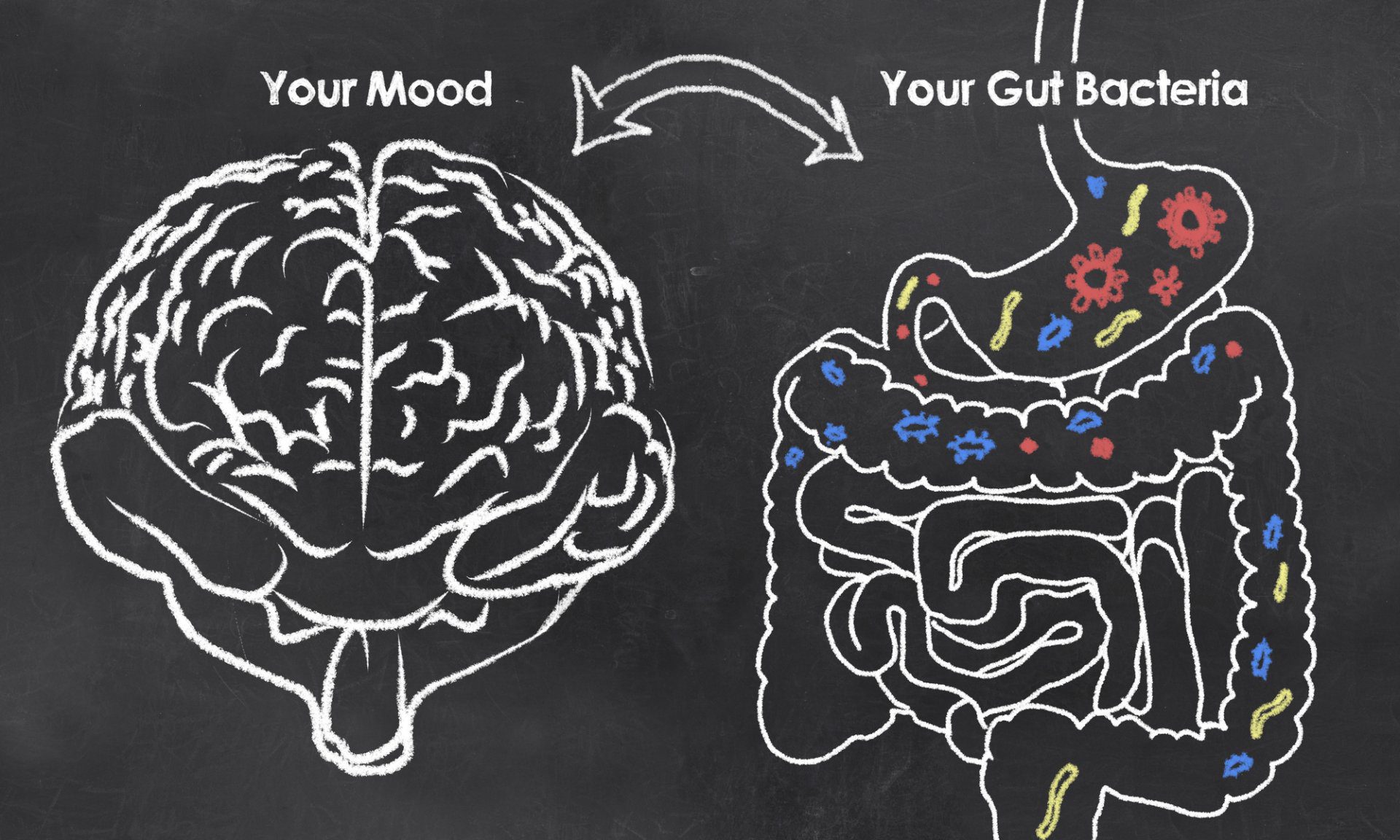
Emotional states affect our physical health in multiple ways, including complicated biological processes that link emotional states with the hypothalamus-pituitary-adrenal (HPA) axis, sympathetic nervous system (SNS), and gut-brain axis.
Long-term emotional states (chronic stress, depression, anxiety, and loneliness) lower immunity by becoming established emotionally and physically over time by keeping stress hormones such as cortisol and adrenaline consistently high; causing the body to produce smaller amounts of immune cells (T-cells, natural killers) and decrease the antibody response and increase the amount of time it takes for a wound to heal and cause the development of chronic diseases (cardiovascular disease, diabetes, and autoimmune disease).
Acute Stress temporarily raise an individual’s immunity through the short term fight-or-flight response as the spleen and bone marrow is activated and move immune cells to the area where damage or infection has occurred.
Psychological Factors, Positive Emotional Factors (such as optimism, sense of purpose, gratitude, supportive social environments) can improve one’s immunity.