Introduction
Poor indoor air quality (IAQ) causes fatigue, headache, and difficulty concentrating, reducing your daily energy level. Ninety percent of the time we are indoors, so the air we breathe will have a significant impact on our overall vitality and performance.
Indoor pollutants build up within modern, airtight buildings and disrupt the normal carrying and distribution of oxygen throughout our bodies, which can result in increased inflammation and a decrease in normal brain function.
In general: Fatigue and lethargy—Chemical substances found indoors (carbon monoxide and carbon dioxide) replace oxygen from our bloodstream, which results in the body having to work harder to supply itself with oxygen, resulting in feeling tired and unwell.
Cognitive Impairment—The presence of elevated levels of CO₂ and volatile organic compounds (VOCs) affects the normal functioning of the nervous system. Studies show that as the quality of indoor air decreases, the amount of productivity decreases significantly.
Indoor Pollution Sources
Different types of polluted air are found indoors, and most of these pollutants are the result of human activity. Indoor air pollution is created by using combustion appliances, cleaning supplies, and many household products.
In addition to combustion and household products, indoor air pollution is created by biological sources, such as mold and dust mites, as well as from outdoor pollutants like radon, pollen, and other sources of air pollution.
Indoor air pollutants can come from four main sources: combustion devices (gas stoves, wood stoves, kerosene heaters, and tobacco smoke), household products (cleaning supplies, disinfectants, paints, and many personal care items), biologicals (mold, dust mites, pet dander, and pollen), and outdoor sources (radon, pollen, and outdoor air pollution).
Low Oxygen Symptoms
Indoor air quality can be negatively impacted by many factors, including lack of fresh air (poor ventilation) and increased levels of carbon dioxide (due to combustion of fuels like gas). There are many ways that low oxygen can impact daily life and overall health. A reduction in the amount of oxygen reaching the brain affects how we think and feel as well.
Please read on for a few examples of how to recognize when you are low on oxygen. The first indication of low oxygen is fatigue. A person experiencing low oxygen may experience symptoms such as impaired concentration, acute headaches, and/or dizziness. They may also notice that their heart is racing or that they are having difficulty breathing. The decrease in the amount of oxygen that reaches the brain causes mental “fog,” making it difficult to concentrate on a task at work or school.
Decreased oxygen also affects motivation and productivity. Long periods of time spent in low-oxygen environments can cause increased levels of stress, decreased levels of immune strength, and poorer quality of sleep. Even small decreases in oxygen may cause an individual to feel exhausted by simple, everyday activities.
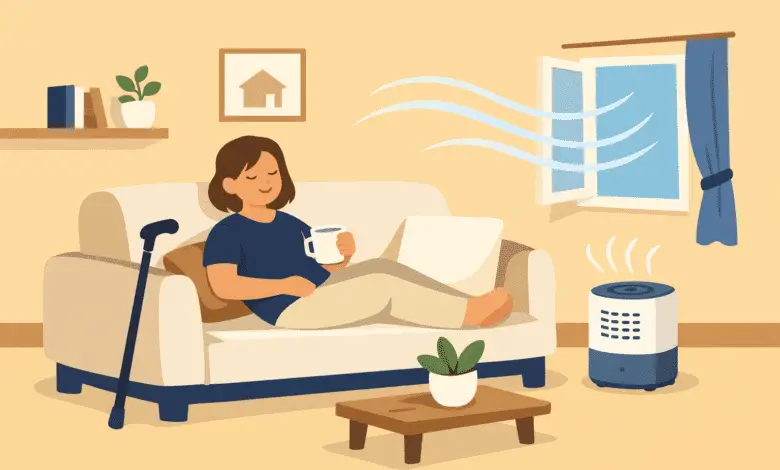
Ways to maintain good air quality: proper ventilation, open windows, use air purifiers, and monitor carbon dioxide levels. Recognizing the signs of low oxygen can help an individual quickly take action to correct it. Maintaining good levels of oxygen indoors will improve your energy level, mental clarity, and long-term health.
Plants & Ventilation
Healthy growth for plants relies on an adequate supply of fresh air through proper ventilation by providing CO₂ and allowing for gas exchange (CO₂) in through the leaf pores (stomata) while expelling moisture and oxygen. The movement of air also aids in maintaining a more stable environment, which leads to a stronger, healthier plant.
Air that isn’t moved or cycled will pool within the growing area and create stagnant conditions that deplete CO₂ levels, creating unfavorable growing conditions. To combat stagnant or stale air conditions, fans must be used to circulate air within the growing area. The fans blow fresh air in while pushing stale, hot, or moist air out.
There are several advantages associated with ventilation, including:
Gas Exchange: Ventilation provides plants with the CO₂ required for photosynthesis while exchanging excess oxygen with the plants’ ability to “breathe.” Temperature: By utilizing air exchange, ventilation will help control the buildup of heat due to lighting and reduce the potential for heat stress and/or burn damage.
Humidity: By exchanging humid air with low-humidity air, ventilation will help prevent mold, mildew, and/or fungal problems.
Pest & Disease: Stagnant air creates a breeding ground for various insects, such as fungus gnats; thus, moving air creates an inhospitable environment for such insects.
Clean Air Habits
To create clean air solutions, take steps to reduce vehicle emissions through walking, biking, public transportation, or carpooling; through energy efficiency measures such as home insulating and using energy-efficient appliances; to avoid burning, whether it is the [burning] of trash or the burning of wood, which constitutes a substantial amount of particle pollution; to choose environmentally-friendly products; to invest in clean energy products; to plant trees; and to improve indoor air quality through proper ventilation, cleaning, and using air purifiers that filter out harmful pollutants and allergen substances from indoor air, shall all help protect the health of community and the lungs of the individual.
Outdoor Transportation
Drive Less—Walk, Bike, Carpool, Use Public Transport
Drive Smart—Combine errands, avoid idling, properly inflate tires, and choose fuel-efficient routes
Go Green—Use hand-powered or battery-powered tools instead of gas-powered tools
Polite Reminder—Do Not Burn! Burning of [trash and/or wood] is a large contributor to the formation of fine particles in our atmosphere.
Better Sleep Connection
Creating “Connections”—the Better Sleep Connection—refers to forming positive associations with healthy daytime habits, and creating calming pre-bedtime routines will result in improved sleep quality. The main focus should be on **consistency, limiting stimulants/screens, creating a cool and dark sleeping environment, and restricting use of the bed only for sleep/intimacy to create strong sleep associations.
Key “Connections” for Better Sleep Are:
Light & Circadian Rhythm: To sync your internal biological clock, it is important to get exposure to sunlight upon waking in the morning and to create a dark environment for sleep. Avoid using electronic devices with blue light 1 hour or more prior to going to bed.
Diet & Stimulants: It is recommended to avoid consuming caffeine, nicotine, and alcohol in the afternoon/evening because these substances interfere with your ability to fall asleep.
Exercise & Timing: While it is beneficial to exercise regularly, you should finish vigorous workouts at least 3 hours prior to going to bed.
Routine & Environment: Having regular bed/wakeup times (even on weekends) is critical to good sleep quality. Keep your bedroom dark, quiet, cool, and free of distractions.
Bed Association: Only use your bed for sleeping/intimacy; if you cannot sleep in your bed, get up and perform an activity until you feel tired again, and then go back to bed.
Conclusion
To sum up, we experience the quality of the air indoors through our feelings and actions on a daily basis; when the air is polluted, we get tired and headachy, have difficulty concentrating, and in the long run could develop health problems due to polluted indoor air.
Fortunately, by identifying where pollution is coming from, improving ventilation systems, utilizing air filtering devices, and adding plants to our spaces, we can reduce the negative impact that indoor air has on our lives and make our homes and work environments clean and healthy. Healthy indoor air also creates good sleep habits, increases our energy levels, improves our mental clarity, and provides us with the ability to focus and produce at an optimal level.
Additionally, small habits like doing daily cleanings and reducing our exposure to chemicals will greatly improve indoor air quality. In short, good indoor air quality is essential for productivity, focus, wellness, and ultimately, our overall existence in a reenergized state.