Introduction
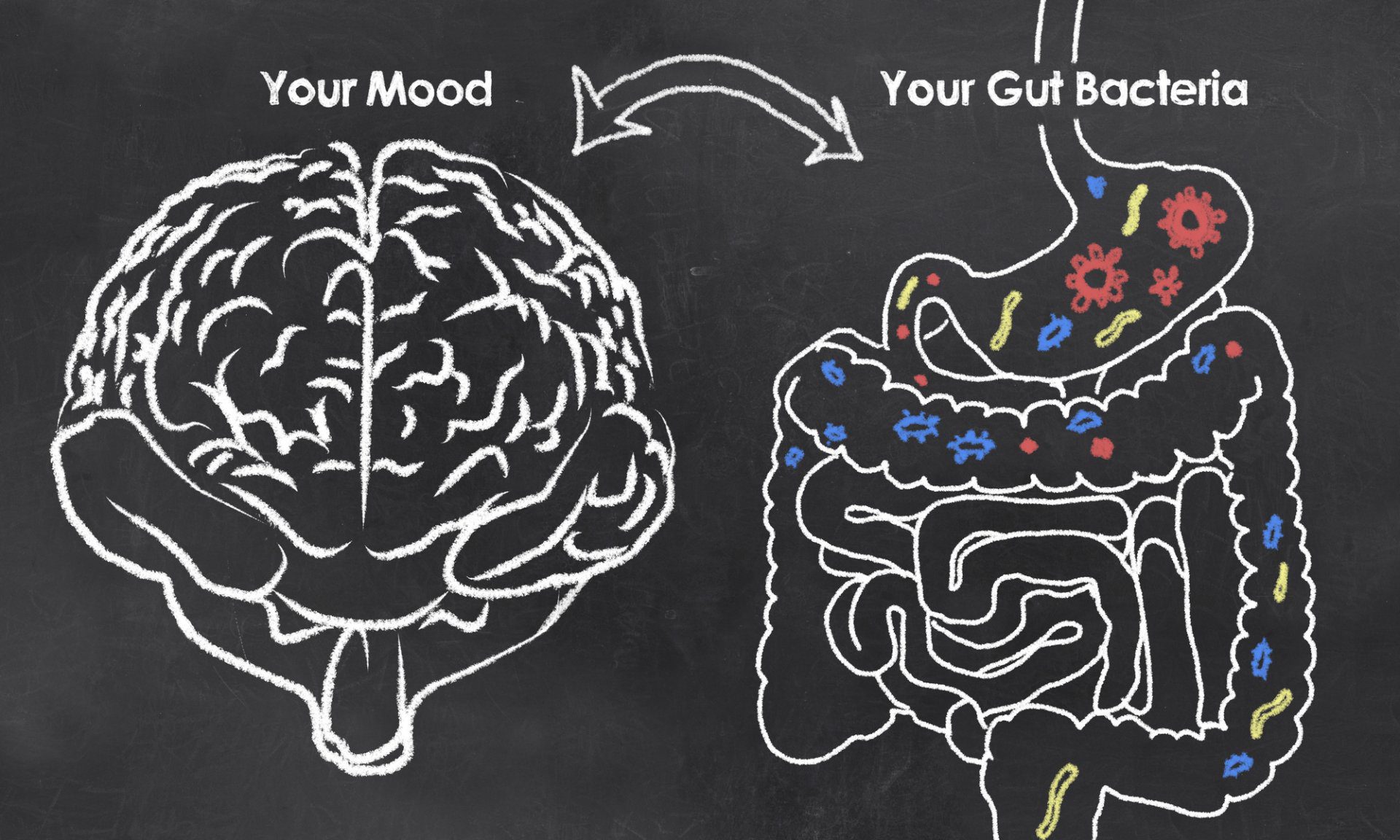
Many people are unaware that their emotional well-being is greatly influenced by their gut health. The connection between the digestive system and brain is known as the gut-brain axis. A healthy gut produces the neurotransmitter serotonin, which has an important impact on stabilizing your mood and creating a positive mental state.
A poorly functioning gut results in problems such as mood swings, anxiety, fatigue, and imbalances in one’s emotions. Many factors contribute to a person’s gut health, including diet, stress, sleep, and lifestyle choices. By understanding the intimate connection between gut health and mood stability, individuals can enhance both their digestive and emotional health simply by changing a few aspects of their daily lives.
Gut-Brain Connection
Gut-brain communication is the flow of information between your digestive system and your brain that takes place through different types of nerves, hormones, and chemicals—all of which are sending signals between themselves (i.e., both ways).
The vagus nerve plays an integral role in connecting the brain to the digestive tract and is responsible for the regulation of many bodily functions, including emotional regulation and the body’s response to stress, digestion, and food intake. Serotonin is one of the essential neurotransmitters produced by the body and is the primary reason why many people experience emotional stability and mood regulation. The vast majority of the serotonin that’s produced is made in the intestines rather than the brain itself.
Because of this, if a person’s gut health has become compromised by things like unhealthy dietary habits, excessive stress, or insufficient sleep, it can affect the communication between their brain and their gut. When this communication is disrupted, many times people with malfunctioning gut health will experience increased levels of anxiety, decreased mood levels, irritability, and other issues associated with brain fog. An unhealthy gut can also result in excessive inflammation in the body, and this condition can negatively affect cognitive function and emotional well-being.
Conversely, individuals who have a healthy gut with balanced levels of bacteria will experience clearer, more rational thinking, more stable moods, and a greater degree of control over their stress levels. A large number of various food items provide individuals with the necessary nutrients needed to keep their guts healthy, while also managing their overall level of stress and making choices that promote healthy living. Understanding the gut-brain connection may provide insight as to the general and close relationship between digestive and emotional health.
Microbiome Basics
The microbiome includes the trillions of tiny organisms, predominantly bacteria, found in your intestines. These microorganisms are essential to a healthy digestive system, nutrient absorption, supporting your immune system, and maintaining your mental well-being.
The microbiome aids your body’s digestion, as well as producing vitamins and preventing dangerous microorganisms from harming your intestines; it regulates the inflammatory response and thus contributes to the gut-brain axis, which is the mechanism by which your gut affects your emotional balance and your mood. An imbalance of beneficial and pathogenic microorganisms results in gut dysbiosis, which can cause gastrointestinal disorders, decreased energy, a compromised immune system, and mood changes.
Healthy gut bacteria are diminished by unhealthy food choices or high-end sugar intake, chronic stress, sleep deprivation, and overuse of antibiotics, while a diet consisting primarily of high-fiber grains, fruits and vegetables, and fermented foods enhances the health of gut bacteria by providing favorable food sources and hydration. A microbiome that has a broad and varied diversity allows the gut to perform optimally and remain in close communication with the brain.
Understanding some basics of the microbiome enables individuals to better understand why a healthy gut microbiome contributes to many other aspects of their health, including emotional well-being. Caring for one’s microbiome through a healthy lifestyle enhances emotional stability, increases energy levels, and improves overall wellness.
Food & Mood
Food and mood are connected, with a sufficient supply of nutrients to support brain health and improve mood, concentration, and ability to cope with depression causing inflammation and disrupting the gut-brain axis. Several factors contribute to this relationship, such as neurotransmitters, dietary effects that cause inflammation and disruption of the gut-brain axis, and the presence of omega-3s and vitamins, which all positively influence mood. The Mediterranean diet is an example of a dietary pattern that promotes a person’s mental well-being, although people often make food choices based on their feelings, establishing a cycle.
Food’s Effect on Mood
Your brain needs nutrients from food to operate properly; therefore, emotions and thoughts are affected.
Food contains components (like tryptophan) to create and maintain neurotransmitters (serotonin, dopamine) that regulate mood.
A poor diet causes increased levels of inflammation linked to depression; a healthy diet lowers levels of inflammation.
The gut contains a high concentration of serotonin receptors that communicate with the brain and are affected by dietary choices.
The consumption of complex carbohydrates causes stable blood sugar, whereas sugar creates unstable blood sugar, which has an identifiable negative effect on emotional stability.
Stress Impact
The Effects of Stress on the Body – Executive Medicine Stress has an enormous impact on an individual’s health by initiating a physiological reaction commonly referred to as the “fight or flight” response that manifests itself as physical ailments (e.g., high blood pressure, heart disease, and heart attack from increased heart rate upon exertion from elevated levels of stress-related hormones is the most common) and mental health problems (e.g., anxiety and depression).
Chronic exposure to stress can cause wear and tear on an individual’s body, resulting in the development or exacerbation of serious (and oftentimes life-threatening) diseases.
Physical Effects
Cardiovascular System: increased heart rate and blood pressure, risk of heart attack/stroke due to stress-related hormones, i.e., epinephrine and cortisol;
Immune System: the body has a compromised capacity to fight off infections, resulting in a greater incidence of colds and flu as well as prolonged timeframes for recovery;
Digestive System: Gastrointestinal conditions such as GERD, IBS, and constipation and diarrhea;
Musculoskeletal System: Increased muscle spasms and tightness; headaches, neck and back pain, and jaw clenching;
Reproductive System: difficulty achieving arousal or orgasm and alterations to normal menstruation;
Other: Fatigue, trouble sleeping (i.e., insomnia), skin disorders (e.g., acne, eczema), and fluctuations in weight.
Balancing Gut Health
To support mood regulation, healthy intestines, and well-being for all, it is important to have balanced guts with good numbers of beneficial bacteria to enable optimal digestion and interaction between gut and brain. Eating the right types of food will help promote a healthy gut. Eating more whole foods (including whole grains, beans, and legumes) will provide fiber, which is essential for promoting a strong population of beneficial bacteria in our intestines.
Adding fermented foods to our diet will help establish a healthy population of bacteria in our intestines, as they contain naturally occurring beneficial microorganisms. Drinking adequate water supports the intestinal system and creates an environment conducive to the growth of beneficial bacteria. Limiting the amount of processed foods, sweets, and saturated fats lowers the chances of harming or stressing the bacteria in our intestines.
Regularly exercising is an important component of healthy digestive health, as it improves digestive function and supports a balanced microbiome. Reducing stress will protect the gut-brain axis and prevent an imbalance in microbial and bacterial interactions within the gut. Ultimately, a sufficient sleep routine provides the necessary time for the intestines to repair and function correctly.
Therefore, limiting antibiotic usage unless medically prescribed also protects the gut bacteria. Balancing gut health is achieved through continuous daily good eating and lifestyle habits. Supporting the gut through eating healthy foods and maintaining a healthy lifestyle will improve digestive health, increase energy levels, and create a balanced emotional state.
Conclusion
In summary, the relationship between gut health and mood stability is significant due to the gut-brain connection. A balanced gut produces the necessary neurotransmitters that aid in regulating our emotions, thus limiting anxiety and promoting emotional balance through decreased levels of stress.
However, an imbalanced gut can cause digestive disorders, anxiety, shifts in mood, and poor energy levels. Daily habits of eating healthy, reducing stress, exercising regularly, and getting enough sleep can provide the body with a daily routine to promote balance in the gut. It is important to understand that even minor adjustments made each day can contribute to improved digestion and emotional health over time.
Thus, by taking care of their gut health, people may have a more stable mind, improved overall quality of life, and control over their emotions.